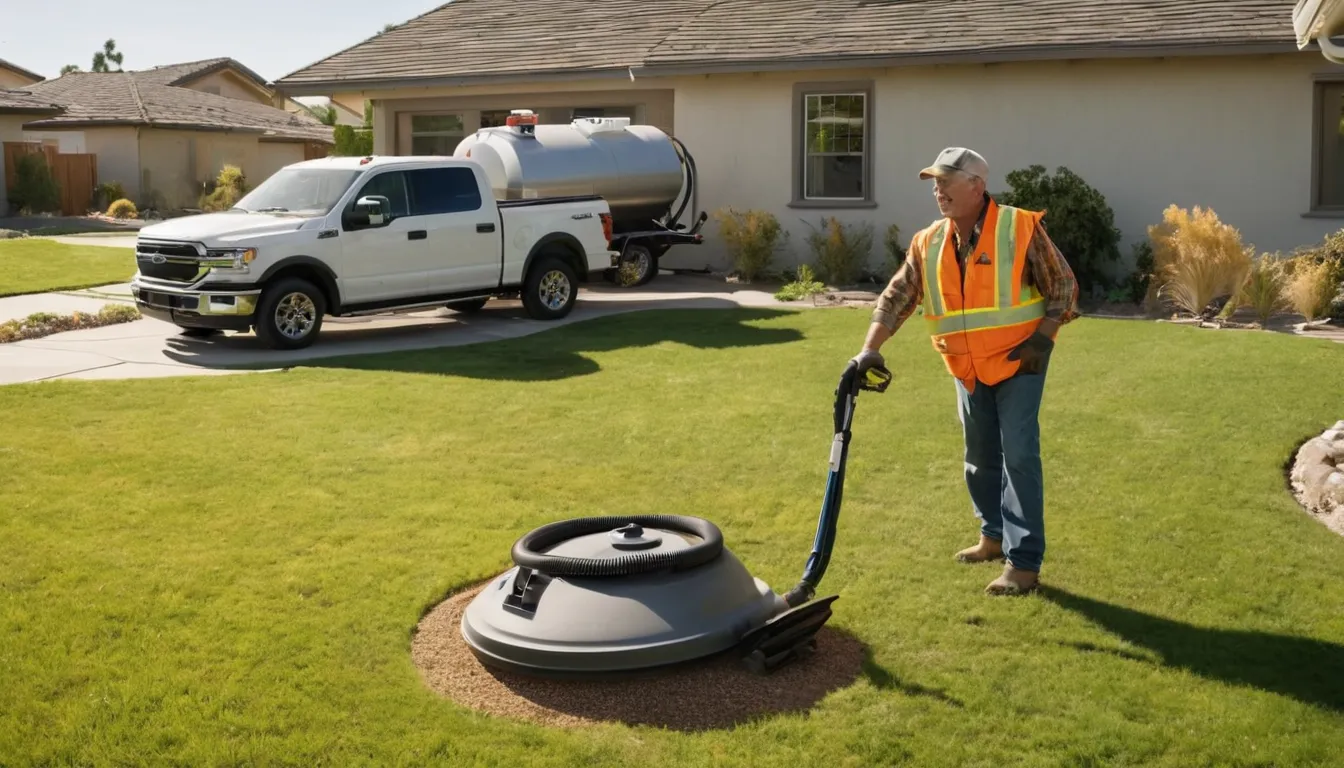
Septic Tank Pumping for Homeowners
Request an estimate today
Your septic tank holds solids and grease while clear water moves on to the drainfield. Over time the solids build up. When the tank gets too full, they slip out and clog the soil. Septic tank pumping removes that buildup and gives the system room to work again.
Factorsplatform Septic is a referral service. We do not pump tanks. We connect homeowners in the Pasadena area with independent local providers who do. Tell us what you see at home, request an estimate, and a provider in our network can walk you through timing, access and a written quote. Dry months are easy. Winter rain is not.
Tank Full? Start With These Signs
Say you come home and the shower drain is slow. Then a toilet gurgles. Then you notice a damp, smelly patch in the yard. That mix often points to a full tank.
Act early. A full tank pushes solids toward the drainfield, and that is the costly part of the system. Septic tank pumping clears the tank before the damage spreads.
Watch for these signs:
- Drains that run slow in more than one room
- Gurgling sounds from pipes
- A sewage smell near the tank lid or drainfield
- Soggy or unusually green grass over the field
- Water backing up in a tub or floor drain
Picture This Moment: A Backup After Winter Rain
Picture this moment. After a long dry season, a strong winter storm moves in. The ground soaks up water for days. Your drainfield has nowhere to send its flow, and the toilets start to back up.
Wet soil slows a drainfield down. A tank that was nearly full in October can overflow by December. That is why many homeowners in the Pasadena area book pumping before the first big storm.
Emergency Septic Cleaning When Sewage Backs Up
If sewage is coming up into the house, treat it as urgent. Stop using water. Skip the laundry, the dishwasher and the showers. Keep kids and pets away from the wet area.
Then ask for emergency septic cleaning. Request a callback to check provider availability, or send a request through the form. Many providers can respond quickly, though availability changes with the season and the weather.
Do not pour drain chemicals into the system to force a fix. They rarely help and can upset the balance inside the tank.
Why Regular Pumping Protects Your Drainfield
Solids settle at the bottom of the tank. Grease floats on top. The clearer water in the middle flows out to the drainfield. When the solids pile up, they ride out with the water and clog the soil.
Once that happens, drainfield repair can become the next step. That is a much bigger job than a pump-out. A routine visit every few years keeps the bill smaller and the yard intact.
How Often Should You Pump?
Many households pump every three to five years. The real number depends on tank size, how many people live in the home and how much water goes down the drain. A big family with a small tank may need service sooner. A couple with a large tank may stretch it longer.
Garbage disposals add solids fast. A provider can measure the sludge layer and suggest a schedule that fits your home.
Know Your Season: Timing the Visit
Dry months make the work easy. The ground is firm, the lid is simple to uncover and the truck can park close. Late summer and early fall are popular for that reason.
Smoke seasons and heat waves add their own wrinkles. Some providers adjust their schedules on heavy smoke days, so ask about timing. Near the coast, mild weather means few worries about cold. The main clock there is the rain.
Before the Rains
A short checklist helps. Book the pump-out. Find the lid. Clear brush and parked cars from the area. Write down any slow drains you noticed. Winter storms fill provider calendars quickly, and booking in the dry season gives you more choice.
Where You Can Help, and Where You Cannot
Some tasks are safe for a homeowner. You can look through old papers for the tank location. You can clear the area, spread out laundry loads and scrape grease into the trash. A simple log of service dates is a big help.
Other tasks need a pro. Tank gases are dangerous, and a heavy concrete lid can cause injury. Pumping takes a vacuum truck, long hoses and a trained operator. Never open the tank or climb in yourself.
What Happens During a Pumping Visit
The provider finds and opens the lid. Older tract homes from the 1950s to the 1980s often have lids buried under lawn, so some digging may be needed. On stucco ranch homes built on slabs, pipes run under the floor, so a backup shows up at the drain closest to the floor first.
Next, the provider checks the liquid level and vacuums out liquids and solids. The tank walls get a look, along with the baffles and any outlet filter. Then the lid goes back on and the area is tidied.
Pumping and Inspections
An empty tank is easy to inspect. The provider can spot cracks, worn baffles and water lines that show past backflow. Ask for notes in writing. Those notes help you decide if anything else needs attention, such as a filter cleaning or a closer look at the drainfield.
Buying or Selling a Home With a Septic System
Buyers and lenders often ask for a recent pumping and inspection record. If you are selling, pumping before you list and keeping the paperwork can smooth things over. If you are buying an older bungalow, ask for an inspection before closing, since the tank's age may be unknown.
If Your Home Also Has a Well
Water well service is a separate trade, but wells and tanks often share one lot. After a backup or flooding, test the well water before drinking it. A well provider can do that. Ask your septic provider about the distance between the tank and the well.
Caring for Your System Between Pumpings
- Spread laundry across the week
- Fix leaking toilets and faucets
- Keep grease, wipes and coffee grounds out of drains
- Keep cars and heavy equipment off the tank and field
- Plant only grass over the drainfield
Questions to Ask the Provider
- What is the tank size, and how much do you expect to pump?
- Will you check baffles and filters while the tank is open?
- Is a riser worth adding so the lid stays easy to reach?
- What will the written quote include?
- What schedule do you suggest for my home?
What's Included
Full Pump-Out
A vacuum truck removes liquids, sludge and scum so the tank has room to work again.
Tank Check
The provider looks at walls, baffles and filters while the tank is open.
Lid Location Help
Buried lid? Many providers can find it and dig it out so the work can start.
Written Notes
Ask for a simple record of what was found, to guide your next pumping date.
What Septic Pumping Typically Costs
Prices vary with tank size, access, local disposal fees and the season. These are typical U.S. ranges only. Ask each provider for a written quote that lists what is included before work begins.
| Item | Typical range | Notes |
|---|---|---|
| Standard pump-out | $300 – $600 | Common for a tank of about 1,000 gallons |
| Large tank pump-out | $500 – $1,000 | Bigger tanks hold more and take longer |
| Emergency septic cleaning | $500 – $1,200 | Urgent backups and tough access can raise the price |
| Tank inspection | $100 – $400 | Often easier when the tank is empty |
| Uncovering a buried lid | $100 – $400 | Depends on soil, depth and landscaping |
| Riser installation | $300 – $1,500 | Brings the lid up to ground level for future visits |
How It Works
Tell Us What You See
Share the signs at home, like slow drains, gurgling or odors, and the type of home you have.
Request an Estimate
Use the form to ask for pricing, or request a callback to check provider availability.
Get Matched Locally
A provider in our network contacts you to talk timing, access and the job.
Review the Written Quote
Compare scope and price in writing, then choose the provider and the date that suit you.
Why Call Factorsplatform Septic
Local Providers
Providers in our network work in the Pasadena area and know the soil, the storms and the common tank layouts nearby.
Clear Next Step
Send one request and get pointed to a provider, with no obligation to hire.
Season Smart
Timing advice reflects dry months, winter rain and smoke days, so your visit fits the weather.
Honest Role
Factorsplatform Septic makes the connection. Independent providers do the work and give the quote.
Other Services
Need septic tank pumping in Pasadena?
Tell us what is happening at your Pasadena home. Send a request for an estimate, and a local provider in our network can follow up with next steps.
No obligationSeptic Tank Pumping FAQ
How do I know if my septic tank needs pumping?
Slow drains, gurgling pipes, sewage odors and soggy ground over the drainfield are common signs. If you cannot recall your last pump-out, a provider can measure the sludge level and advise.
How often should a septic tank be pumped?
Many homes pump every three to five years. Tank size, household size and water use change that number, so ask a provider to suggest a schedule for your home.
Can I pump my own septic tank?
No. Tank gases are dangerous, lids are heavy, and waste needs proper disposal. Pumping takes a vacuum truck and trained operator, so hire a provider.
Request a callback
Tell us what is happening at your Pasadena home. Send a request for an estimate, and a local provider in our network can follow up with next steps.
No obligation